
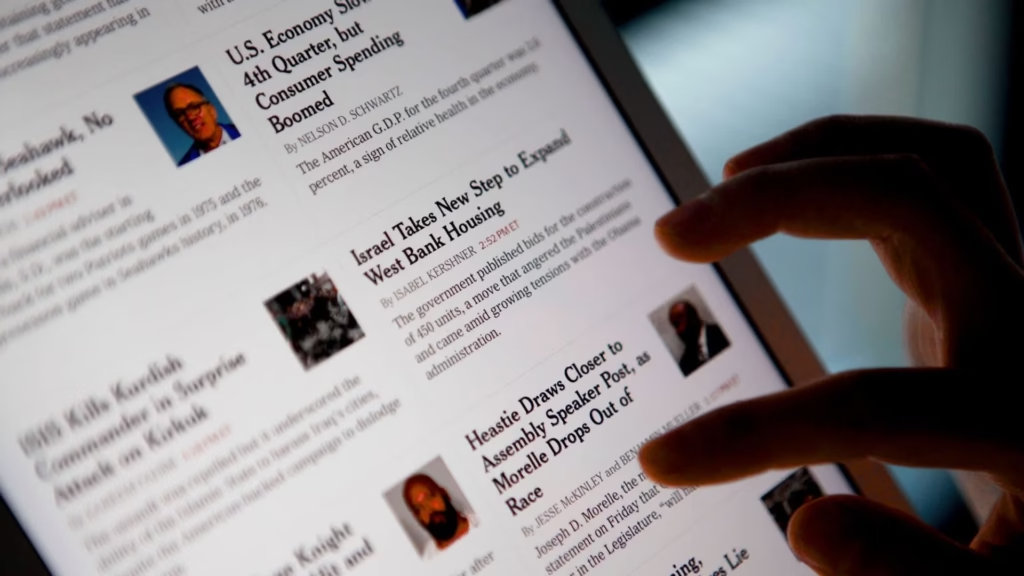
In today’s digital age, news is everywhere. People see headlines on social media, websites, apps, and TV all day long. However, not all news stories are reliable. Some are incomplete, biased, or even false. This makes it important to understand what makes a news story credible.
A credible news story is one that readers can trust. It is accurate, fair, and based on verified facts. In this article, we explain the key elements of credible news in simple English and help you learn how to judge news quality with confidence.
What Does Credible News Mean?
A credible news story is one that provides reliable, accurate, and well-verified information. It aims to inform the public honestly, without misleading or manipulating readers.
Credible news:
- Is based on facts
- Uses reliable sources
- Follows journalistic ethics
- Avoids exaggeration
Trust is the foundation of credibility.
Accuracy Is the Most Important Factor
Accuracy comes first in journalism.
A credible news story:
- Reports correct facts
- Uses precise information
- Avoids guessing or rumors
Even small errors can reduce trust.
Use of Reliable Sources
Sources matter greatly.
Credible stories:
- Use named and trustworthy sources
- Rely on experts or official records
- Avoid vague or anonymous claims without explanation
Multiple sources strengthen credibility.
Verification of Information
Credible news is verified.
Journalists verify by:
- Cross-checking facts
- Confirming information with more than one source
- Reviewing documents or data
Verification separates real news from rumors.
Clear Separation of Facts and Opinions
Credible news keeps facts and opinions separate.
In reliable reporting:
- Facts are clearly presented
- Personal opinions are avoided
- Interpretation is labeled when included
Readers should know what is fact and what is commentary.
You Can Also Read: difference news opinion editorial content
Balanced and Fair Reporting
Fairness builds trust.
Credible stories:
- Present multiple viewpoints
- Avoid one-sided narratives
- Give context to different perspectives
Balance does not mean false equality but honest representation.
Transparency About Sources and Methods
Transparency supports credibility.
Credible news:
- Explains where information comes from
- Discloses limitations when facts are incomplete
- Corrects mistakes openly
Transparency shows accountability.
Ethical Standards in Reporting
Ethics guide journalism.
Ethical news stories:
- Respect privacy
- Avoid harmful language
- Do not sensationalize tragedy
Ethical reporting protects people and society.
Clear and Responsible Headlines
Headlines should match the story.
Credible headlines:
- Reflect the article accurately
- Avoid exaggeration
- Do not mislead readers
Misleading headlines damage trust.
Avoidance of Sensationalism
Sensationalism weakens credibility.
Credible news:
- Focuses on facts, not shock
- Avoids emotional manipulation
- Uses calm and neutral language
Drama may attract clicks but reduces trust.
Role of Editors in Credibility
Editors protect quality.
Editors:
- Review facts and language
- Ensure balance and clarity
- Enforce ethical standards
Strong editing improves reliability.
Corrections and Accountability
Mistakes can happen.
Credible outlets:
- Publish corrections
- Update stories when new facts emerge
- Admit errors openly
Accountability builds long-term trust.
Reputable News Organizations
The source matters.
Credible news usually comes from:
- Established media organizations
- Outlets with clear editorial standards
- Newsrooms with experienced journalists
Reputation is built over time.
Clear Writing and Structure
Clarity supports understanding.
Credible news:
- Is easy to follow
- Uses simple language
- Avoids confusion
Clear writing helps readers judge facts accurately.
Use of Evidence and Data
Evidence strengthens reporting.
Reliable stories include:
- Data and statistics
- Documents or records
- Quotes with context
Evidence supports claims.
Avoidance of Anonymous Claims
Anonymous sources require care.
Credible news:
- Uses anonymous sources sparingly
- Explains why anonymity is necessary
- Verifies anonymous information carefully
Overuse reduces credibility.
Consistency With Other Reliable Reports
Credible stories align with facts.
Readers can check:
- Whether other trusted outlets report similar information
- Whether details match known facts
Consistency supports reliability.
Timely Updates and Context
Context matters.
Credible news:
- Explains background
- Provides updates when situations change
Context prevents misunderstanding.
How Bias Affects Credibility
Bias can reduce trust.
Credible journalism:
- Uses neutral language
- Avoids emotional framing
- Separates facts from viewpoints
Awareness of bias improves credibility.
Reader Responsibility in Judging Credibility
Readers also play a role.
Smart readers:
- Read beyond headlines
- Check sources
- Compare multiple reports
Critical reading supports informed decisions.
Credible News vs Fake or Misleading News
Fake news often:
- Lacks sources
- Uses emotional language
- Avoids verification
Credible news does the opposite.
Importance of Media Literacy
Media literacy helps people judge news.
It helps readers:
- Identify trustworthy information
- Avoid misinformation
- Understand news processes
Education strengthens society.
News Credibility and Informed Reading
Understanding what makes a news story credible improves media awareness and responsible reading. Platforms like
BELLES TURF promote news understanding, critical thinking, and informed engagement—qualities that align closely with identifying credible journalism in today’s media landscape.
Simple Example of Credible Reporting
Example:
- Story includes verified facts
- Quotes experts
- Explains context
- Corrects errors if needed
This builds trust.
Why Credibility Matters More Than Ever
In a fast digital world:
- Information spreads quickly
- Misinformation spreads faster
Credibility protects truth.
How Credible News Supports Society
Credible news:
- Informs citizens
- Supports democracy
- Encourages accountability
Trustworthy journalism benefits everyone.
Final Thoughts
A credible news story is built on accuracy, verification, fairness, transparency, and ethical standards. It respects readers by providing clear, reliable information without exaggeration or bias.
In an age where anyone can publish content, knowing what makes news credible is an essential skill. By understanding these principles, readers can make better decisions, avoid misinformation, and trust the news sources that truly deserve confidence.
Credibility is not created by speed or popularity—it is earned through responsibility, honesty, and consistent quality.